


The Lindsay Clancy Trial: It's Okay to Turn Off the News
- Kaitlyn Borris
- Aug 1
- 4 min read

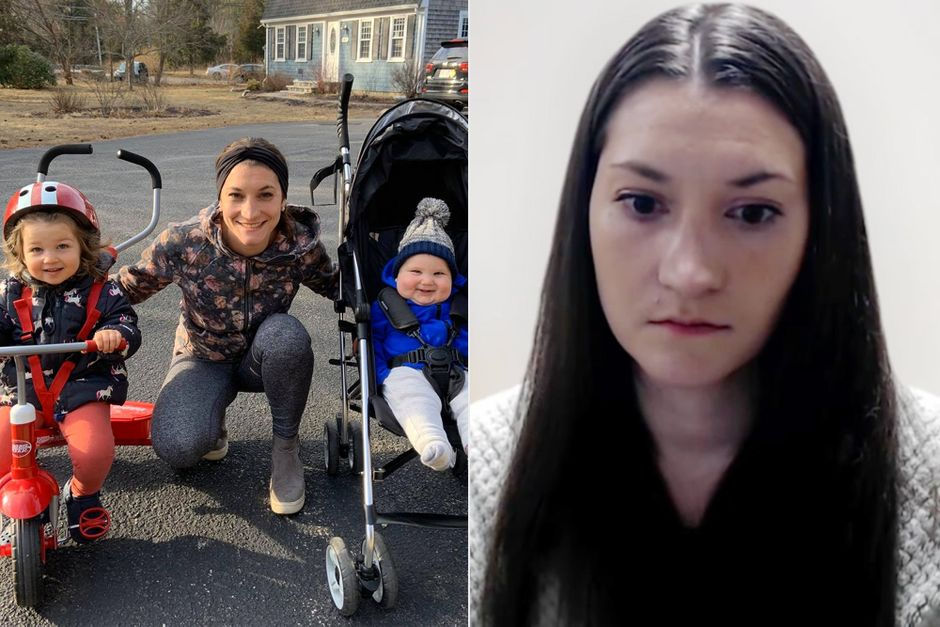
If you've found yourself glued to updates about the Lindsay Clancy trial, you're not alone.
And if you've found yourself thinking, "I can't read one more article," you're not alone in that either.
As a therapy practice, we've seen cases like this spark intense emotions. Parents are imagining their own children, and wondering how anyone could get there. Healthcare workers are questioning what they would have noticed. Those who have experienced postpartum mental illness are feeling misunderstood, or enraged. Survivors of trauma are being triggered. Others are simply heartbroken.
Before anything else, let's say what should never be forgotten:
Three children—Cora, Dawson, and Callan—lost their lives.
That reality is devastating, and nothing about the legal proceedings changes that. You may have opinions that differ from mine on Lindsay Clancy's guilt or innocence, or her culpability in the crime.
A Quick Disclaimer
Before I go any further:
-I am **not** a lawyer.
-I am **not** a juror.
-I do **not** have access to all of the evidence - in fact, I'm trying to protect my mental health and avoid much of the evidence a commentary.
-I'm simply another person on the internet processing a heartbreaking case alongside everyone else.
The purpose of this post isn't to decide guilt or innocence. That responsibility belongs to the legal system, and the trial is still ongoing, as of the posting of this Blog.
Instead, I want to talk about something different.
It's Okay to Turn Off the News
There seems to be an unspoken pressure that we need to consume every update.
Every witness.
Every photo.
Every headline.
Every courtroom recap.
And then there's the keyboard warriors - "she's guilty! She deserves to die the same way those children did!" to "She's innocent! Until you've had postpartum psychosis you can't understand." And of course, if you disagree with any of that very black and white thinking? oof.
But you don't have to engage in this.
Choosing to protect your mental health is not the same as looking away.
Turning off the news doesn't mean you care less about those children (or any child whose mistreatment ends up in the news).
It doesn't minimize their lives.
It doesn't erase the tragedy.
Sometimes, the healthiest response to repeated exposure to traumatic content is simply to step back.
Psychologists have long recognized that repeated exposure to graphic or emotionally intense news can increase anxiety, stress, intrusive thoughts, and feelings of helplessness—even when we aren't directly involved.
You can honor victims without traumatizing yourself.
Multiple Things Can Be True
One of the hardest parts about watching this case unfold on social media is that people often feel forced into choosing a side.
Either...
* Lindsay Clancy is a monster.
or
* Lindsay Clancy was gravely mentally ill.
But reality is often more complicated than internet comment sections allow.
Regardless of what the jury ultimately decides, multiple systems deserve careful examination, as clearly multiple systems failed every member of the Clancy family.
-If someone experienced severe postpartum psychiatric symptoms, were there opportunities for better assessment?
-Were healthcare providers communicating effectively?
-Were treatment plans adequately monitored?
-Did family members receive enough education about warning signs, treatment plans, medications?
-Were resources available—and accessible? Were they pursued?
-What responsibility do spouses have?
These are not questions of legal guilt - they're questions of prevention and an opportunity for multiple systems to improve.
Because if we truly want to honor these children, we should be asking not only: "What happened?"* but also "How do we reduce the chances of something like this ever happening again?"
Mental Illness Does NOT Equal Violence
It's also important to remember something that can easily get lost in high-profile cases:
The overwhelming majority of people living with depression, anxiety, bipolar disorder, postpartum depression, postpartum OCD, or psychosis never harm another person.
[Most are far more likely to harm themselves than anyone else, for the record].
We should be careful not to let one extraordinary case increase stigma for millions of parents quietly struggling and seeking help.
Compassion Doesn't Require Choosing Sides
Compassion is not a limited resource.
You can grieve deeply for three innocent children.
You can ache for a father whose life changed forever.
You can recognize the profound suffering that severe mental illness can cause.
You can ask difficult questions about healthcare systems.
None of those invalidate the others.
If This Case Has Been Hard for You
If this trial has left you feeling anxious, tearful, angry, fearful, or emotionally exhausted, you're not "too sensitive." You're human.
It's okay to mute keywords.
It's okay to skip today's courtroom recap.
It's okay to stop reading the comments.
Heck it's okay to throw this Blog down and never look at it again ;)
It's okay to protect your peace. Think about what might bring you peace. Take a walk. Hold your kids closer. Journal. Turn off social media. Book a therapy session.
How We Honor Cora, Dawson, and Callan
We honor children not by endlessly consuming the worst moments of their lives.
We honor them by building a world where families receive support sooner - affordably, effectively.
Where postpartum mental health is recognized quickly - or better yet, preventative measures are utilized from the moment a child is born.
Where parents know it's safe to ask for help.
Where healthcare systems communicate better.
Where communities take mental health seriously.
Where children are safer because we learned something.
If this heartbreaking case leads us to better education, stronger systems, earlier intervention, and greater compassion, and saves lives? That doesn't bring the children back...but I do think it honors them. Or, if today all you can do is close the news app, hug your children a little tighter, check on a struggling friend, or schedule your own therapy appointment—that counts too.
This blog is written and maintained by non-clinical staff and comments are not monitored. Therefore, this blog should be taken as psychoeducation only and not as medical advice or a replacement for therapy. If you are experiencing a life threatening emergency, please call 911. If you are experiencing a mental health crisis that is not life-threatening, please call 988.
Struggling? We can help. Call or text us - 724.201.9815. We offer free consultations. Based in Greensburg, PA, but serving all of PA virtually.


Comments